
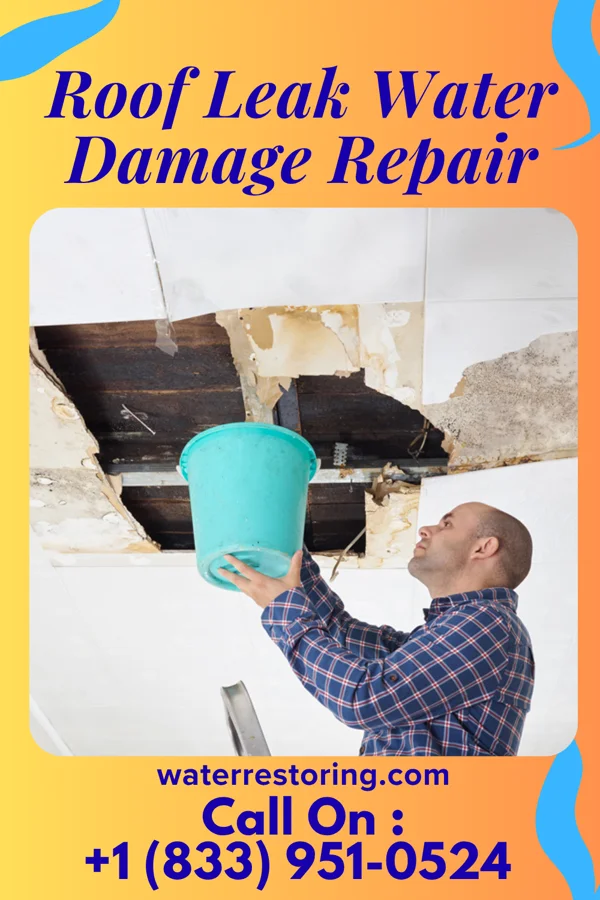
Common Roof Leak Causes in Selmont-West Selmont
Most roof leak water damage repair calls in Selmont-West Selmont come from Selmont-West Selmont experiences frequent thunderstorms and heavy rainfall, especially during the late spring and summer months. The region is prone to sudden downpours that can quickly overwhelm roofing systems, leading to leaks and water damage. These weather patterns are common due to the area's location in a humid climate with frequent atmospheric disturbances.. A close second is The area is also susceptible to high humidity levels, which can contribute to condensation and moisture buildup within homes. This, combined with occasional high winds, can cause additional stress on roofing materials, increasing the risk of leaks and structural damage.. If you know what is about to happen, the decisions during the first 48 hours get a lot easier.
The humid climate and frequent storms in Selmont-West Selmont create an environment where roof leaks and water damage are common. The combination of heavy rainfall and high humidity can lead to rapid deterioration of roofing materials and increased risk of mold growth.
Most roof leak water damage repair calls in Selmont-West Selmont come from Selmont-West Selmont experiences frequent thunderstorms and heavy rainfall, especially during the late spring and summer months. The region is prone to sudden downpours that can quickly overwhelm roofing systems, leading to leaks and water damage. These weather patterns are common due to the area's location in a humid climate with frequent atmospheric disturbances.. Running a close second is The area is also susceptible to high humidity levels, which can contribute to condensation and moisture buildup within homes. This, combined with occasional high winds, can cause additional stress on roofing materials, increasing the risk of leaks and structural damage.. Local mold risk: Mold growth can occur within 48 hours of water intrusion in Selmont-West Selmont due to the region's high humidity levels. This poses a significant risk to indoor air quality and can lead to secondary damage such as wood rot and structural weakening.